

Start with the thermometer you own
Find the sensing area and required depth in its manual. A tip sensing digital probe and a dial thermometer can need different placement. A wireless probe may have a minimum insertion line that protects its electronics. Follow that model's instructions rather than using one depth for every tool.
ThermoWorks says the Thermapen ONE measures at its tip. That advice belongs to that model. Our contributed Thermapen owner notes do not yet identify the model, so we do not assume its exact specification.
A burger or a thin steak
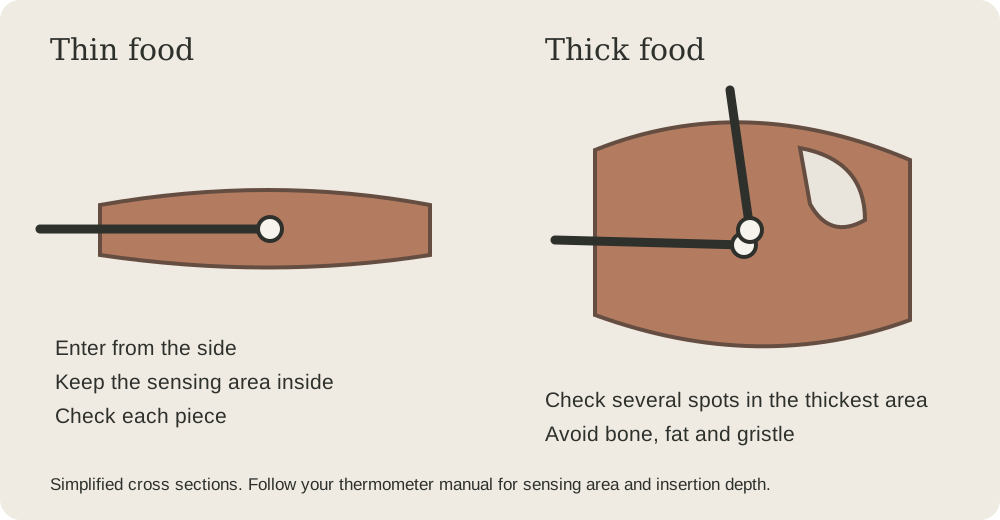
Enter from the side toward the center. Coming down through the top of thin food can put the sensing area beyond the meat before you notice. Keep the whole sensing area inside the food as your manual requires. If the food is too thin for your thermometer, choose a suitable thin food probe.
Move food off the direct heat onto a clean utensil or plate when that helps you check safely. Keep your hand away from the grate and flame. Clean the probe according to its instructions before and after use.
A thick steak or roast
Aim for the middle of the thickest area, avoiding bone, gristle and pockets of fat. Check more than one location in an irregular roast. With a suitable tip sensing thermometer, small movements can help locate the cooler interior. Let the reading settle as the manufacturer directs.
Check every piece when cooking several steaks or chops. Their thickness and position on the grill can give them different finishing times.
Chicken needs more than one guess
For thighs and breasts, check the thickest area away from bone. Check each piece. For a whole bird, USDA calls for checks in the thickest breast and the innermost thigh and wing areas. Keep the probe away from bone.
Know the endpoint before you light the grill
| Food | Minimum |
|---|---|
| Whole beef and pork steaks, chops and roasts | 145°F before removal from heat, then rest at least 3 minutes |
| Ground beef and pork | 160°F |
| Poultry, including ground poultry | 165°F |
| Reheated leftovers | 165°F |
Color, juices and the clock cannot replace a temperature check. Recipes may use a higher temperature for texture. That is a separate decision from the minimum safe endpoint.
Use it in a meal
Try the placement approach with a shared strip steak, lemon chicken thighs or cheeseburger sliders. Compare Thermapen ONE, basic digital thermometers and probes that stay in during cooking by the job you need them to do.
Sources and scope
Placement and temperatures follow USDA thermometer guidance and its safe temperature chart. Model specific advice comes from the Thermapen ONE operating instructions. The drawing explains placement. It does not document a product test.